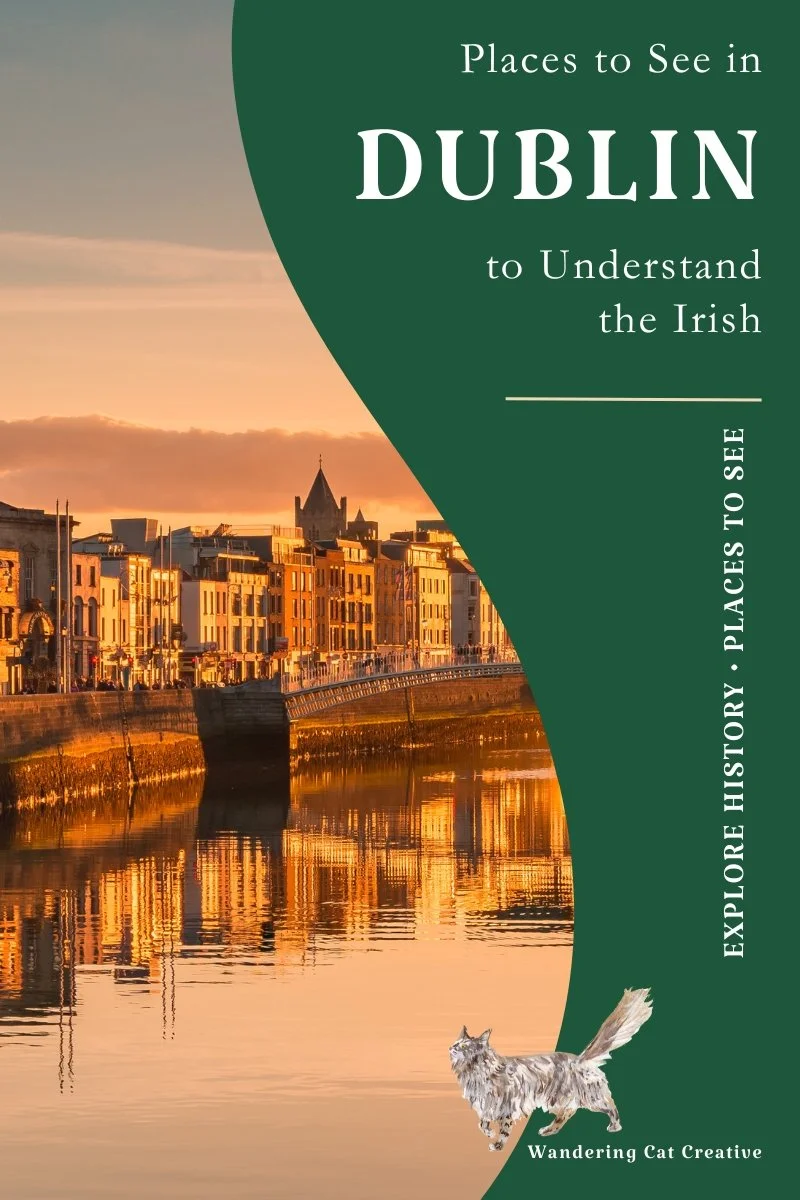
Places to See in Dublin to Understand the Irish
Whether you’re a history buff or not, Irish history has a bit of something for everyone. Here are just a few places in Dublin, Ireland to give you an idea of key parts of Irish history, both good and bad, that’s made the Irish who they are today.
Trinity College & The Book of Kells
Irish history is rooted in religion. Since its origin, religion and spirituality have played a central role in the culture and history of the country. The Book of Kells is an illustrated manuscript of the New Testament and dates back to the 9th Century.
Even if you aren’t religious, it’s a sight to see — and it’s also credited as the world’s oldest book. Seeing the artistry and craftsmanship involved in its creation shows the age-old dedication to a good story. Understanding the importance of religion in the story of Ireland only adds to the interest.
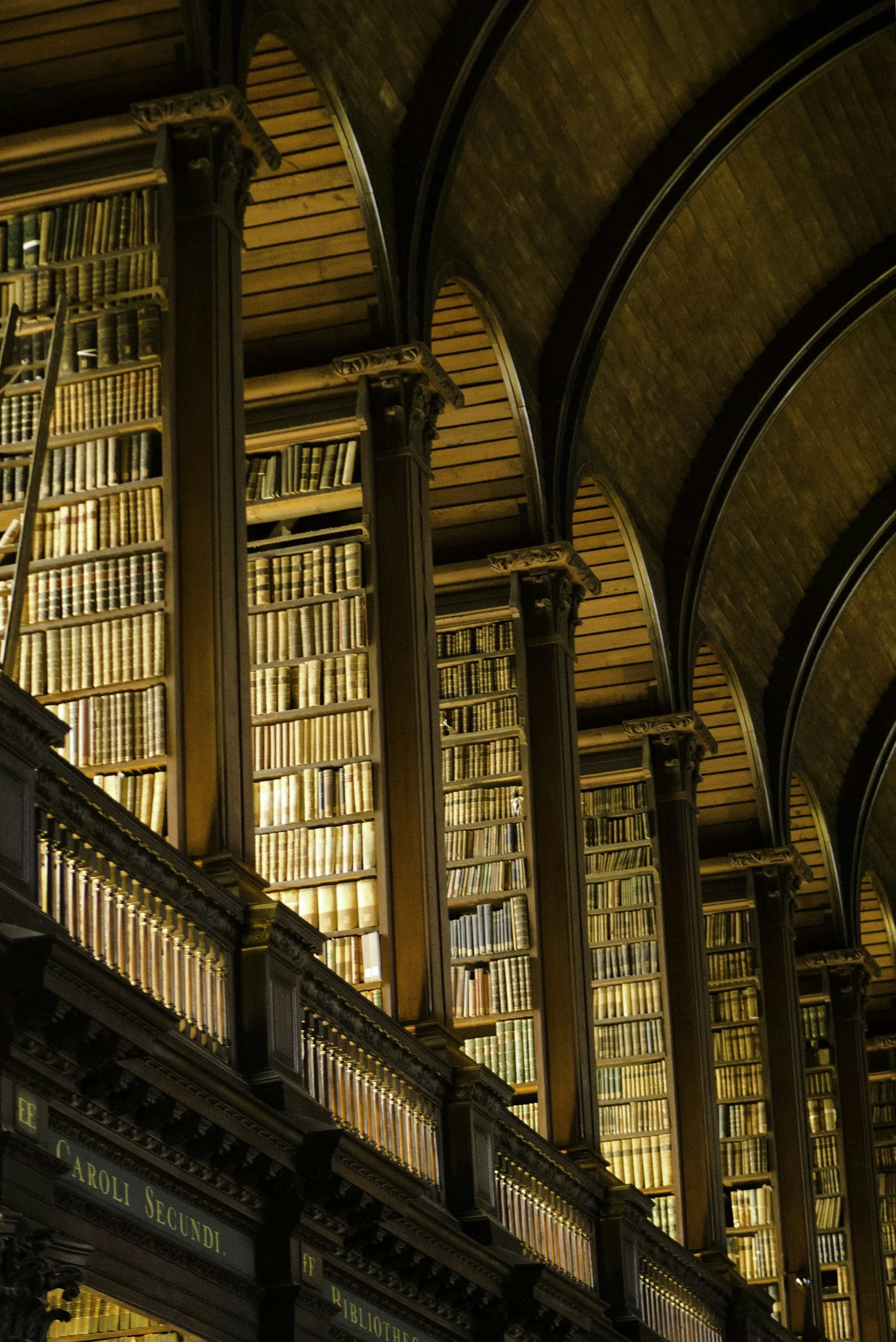
Aside from that, the library at Trinity College where they keep the Book of Kells is beautiful in itself. You can find tours that include part of Trinity College and can fill you in more on its history. But as a general overview, Trinity is Ireland’s top university and has seen many influential characters from Irish history and literature pass through its halls, from Oscar Wilde to Edmund Burke.
Even if you don’t take a tour, Trinity College is centrally located in Dublin and offers a nice break from the rest of the city as you wander the campus.
General Post Office (GPO)
If you know a bit about modern Irish history, you may know the significance of the General Post Office (GPO) in Dublin. The culmination of the Easter Rising in 1916 took place just outside the GPO and you can still see the bullet holes in the side of the building.
The Easter Rising of 1916 eventually led to Ireland’s independence from the United Kingdom. The leaders of the movement wrote a Proclamation of Independence, which they read aloud outside the GPO — and it continues to be read aloud in that same spot on Easter each year.
You don’t have much opportunity to learn more about Irish history by visiting the GPO, though there are some documents on display inside the building. However, you can witness evidence of a transformative event in Irish history.
Dublin Writers Museum
Literature and stories have a long history in Ireland. In the time of the celts, they had an oral storytelling tradition. Folklore and fairy tales have always been a big part of Irish history and culture, flowing right into their literature as that evolved. Dublin alone has been filled with notable writers and poets over the years, a tradition that carried from more rural ways of life into the city as Ireland grew and modernized.
On another tack, Irish history is filled with political turmoil and literature is the best place to go for perspective on historical events and movements. Some writers held some political influence through their work, while others simply were able to capture what life was like for Irish citizens during a period of time.
If you’re looking for more background on Irish literature and writers, the Dublin Writers Museum is the place to go. It’s filled with original writings, pictures, and even furniture from major Irish writers. They include an audio tour that gives additional information about the items in each room and more background about each writer.
Whether you’re a history buff or book head or neither, you’re bound to learn something new from a visit to the Dublin Writers Museum.
Kilmainham Gaol
The Easter Rising of 1916 may have failed, except for the fact that the leaders of the rebellion were arrested, taken to Kilmainham Gaol, and executed in secret.
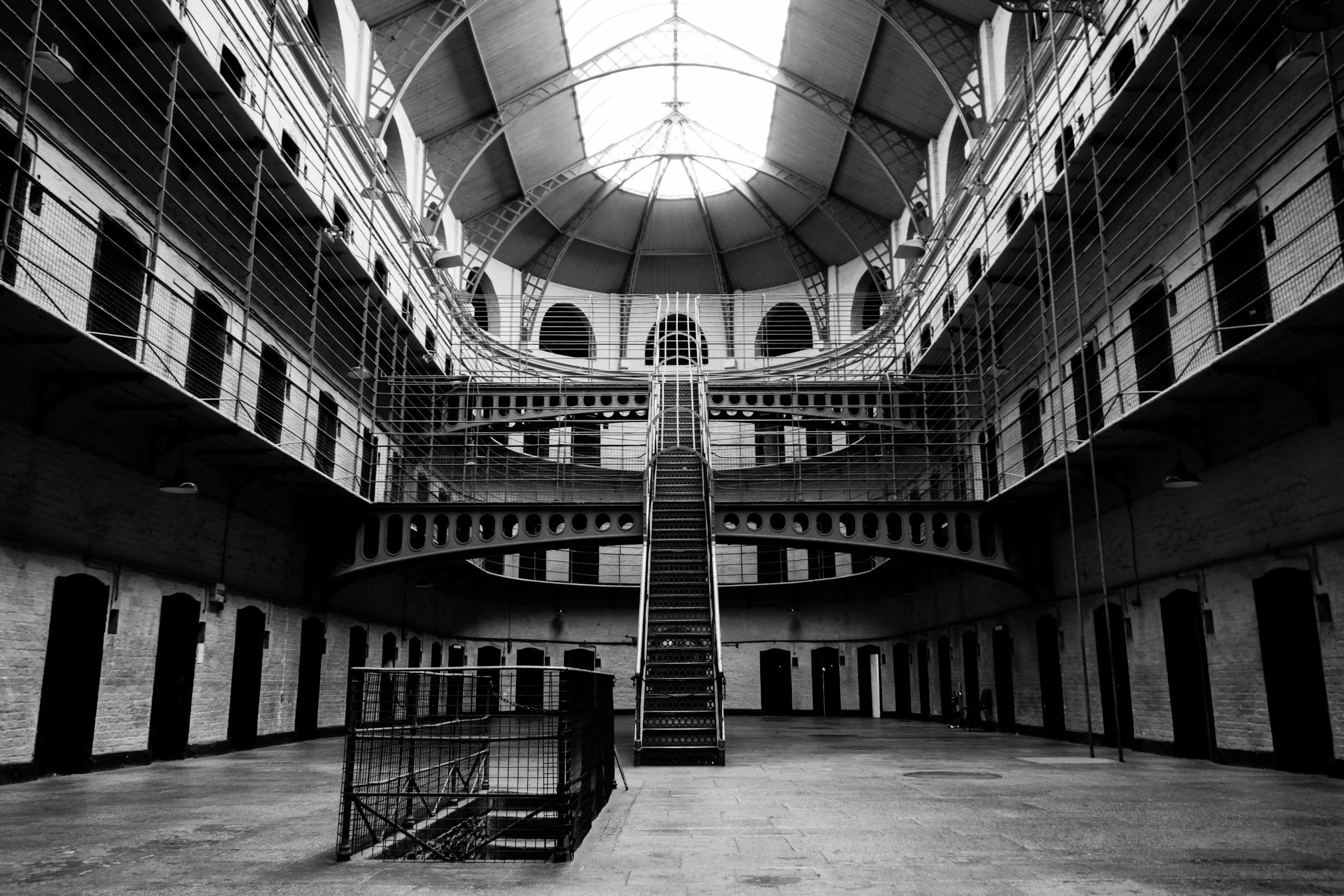
Besides the role in the Rising and then Irish independence, Kilmainham Gaol has played a role throughout Irish history, beginning with the Famine. This is not a light and fun tour, you’re going to walk through places where there have been people suffering and you will see where leaders of the Easter Rising were executed.
I remember taking this tour the last time I was in Dublin and it was equally informative and moving. It’s one of the few places I’ve visited where you can feel the history. Maybe that is attributed to the tour guide, but there’s also a general feeling when you’re there of what’s already taken place. You’ll learn a lot about Irish history because Kilmainham Gaol has been around through much of it — from the Famine through the Easter Rising.
This is far from a light and fun tour but you’ll come out of it feeling like you learned a lot and experienced a key place in Irish history.
Guinness Storehouse
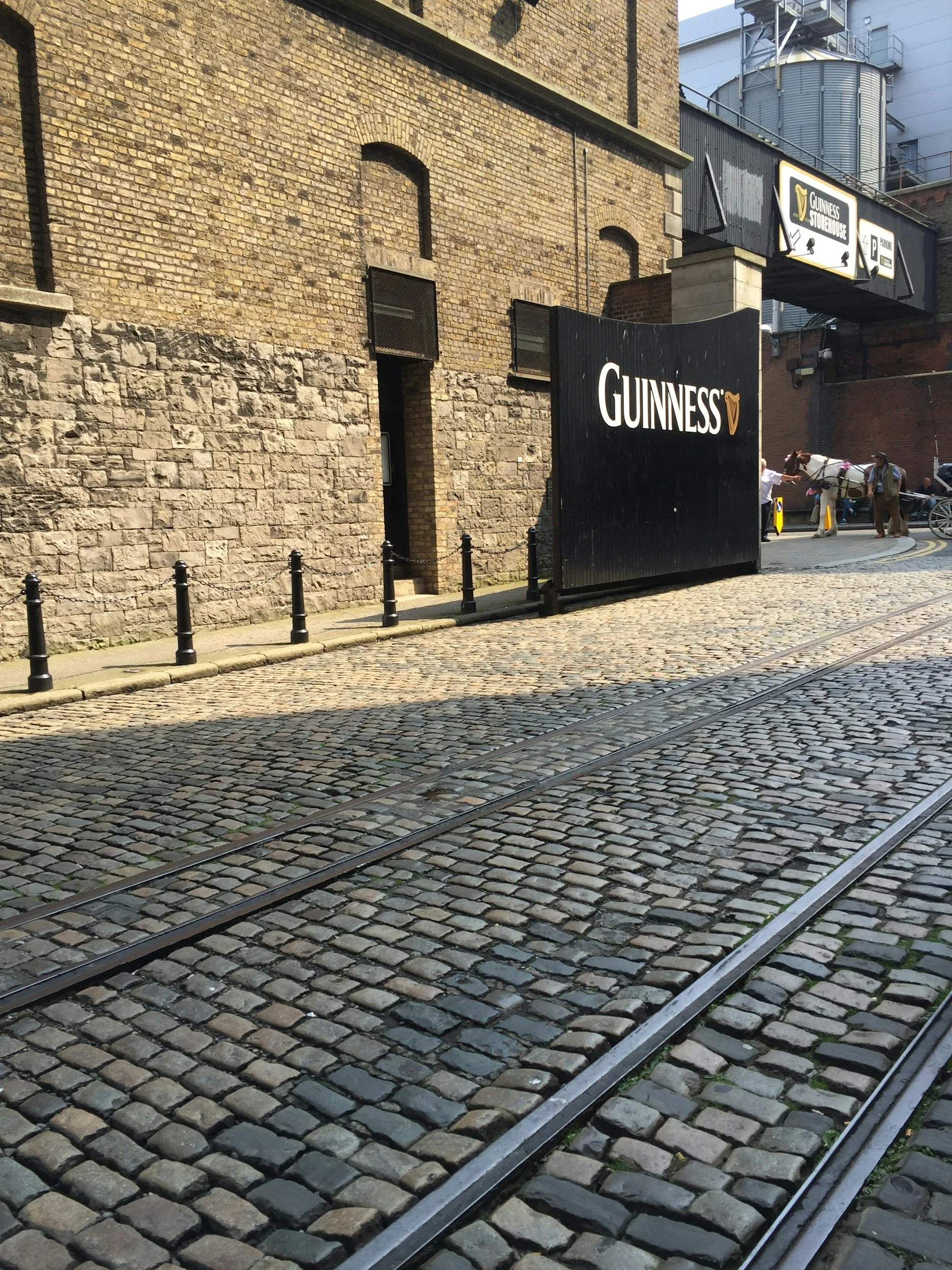
Okay, hear me out. I’m finishing with this because it’s the most touristy spot on this list, seconded by the Book of Kells. But trust me, both are culturally relevant. You could argue that the Jameson Distillery should also be on this list — and maybe it should. But I’ve now been to the Guinness Storehouse twice and would go a third time when I go back to Dublin.
Beer and whiskey are big in Irish culture. Everyone knows that. During the Guinness Storehouse tour, you’ll explore the history of the Guinness family and brand. The tour itself is self-guided, allowing you to explore at your own pace and take your time.
The multiple levels of the tour offer varied memorabilia, a bit of history, and even the opportunity to learn how to properly pour Guinness. (Hint: it takes time.) Plus, when you get up to the top for your free pint, you have a view of the entire city and they include unobtrusive blurbs on the windows about notable buildings. So while you enjoy the freshest Guinness you’ll ever drink, you can also learn a bit about Dublin and Irish history. And maybe find the next place to visit in the city.